

In the face of the unprecedented heat generated by the 2026 FIFA World Cup and the Olympic Winter Games, the French National Lottery Supervisory Authority (ANJ) sent a clear signal that the marketing activities driven by sporting events would be strictly regulated. For online lottery operators, they will face the most severe marketing restrictions in history.

AnJ issued an early warning following an analysis of the operator ‘ s 2026 plan, and the exposure to related advertising will rise significantly as the lottery company competes for new customers at the peak of the global sporting event. Although operators argue that the special features of the World Cup and the Olympic Games are sufficient to support a large budget, especially in the context of increasing competition in the digital market. However, the strong attitude of regulators, who have made it clear that the high heat generated by sporting events cannot be an excuse for radical marketing or advertising “arms race”. ANJ has now ordered all licensed operators to comply strictly with its declared 2026 budget. Not only would budget increases be prohibited, but even redeployments between different budget categories would be severely restricted. This provision is not of a recommendatory nature – the operator has been expressly informed that the authorities will enforce it through on-site inspections. This strong attitude stems from the ongoing regulatory reform of ANJ. Since 2021, when the European Cup triggered a “blowing of lottery advertising” as determined by the regulatory bodies, the authorities began to monitor the promotion on an annual basis. The backlash in public opinion in the summer of that year led directly to the creation of a regulatory framework for advertising and harming people who focus on youth and on problematic gambling.
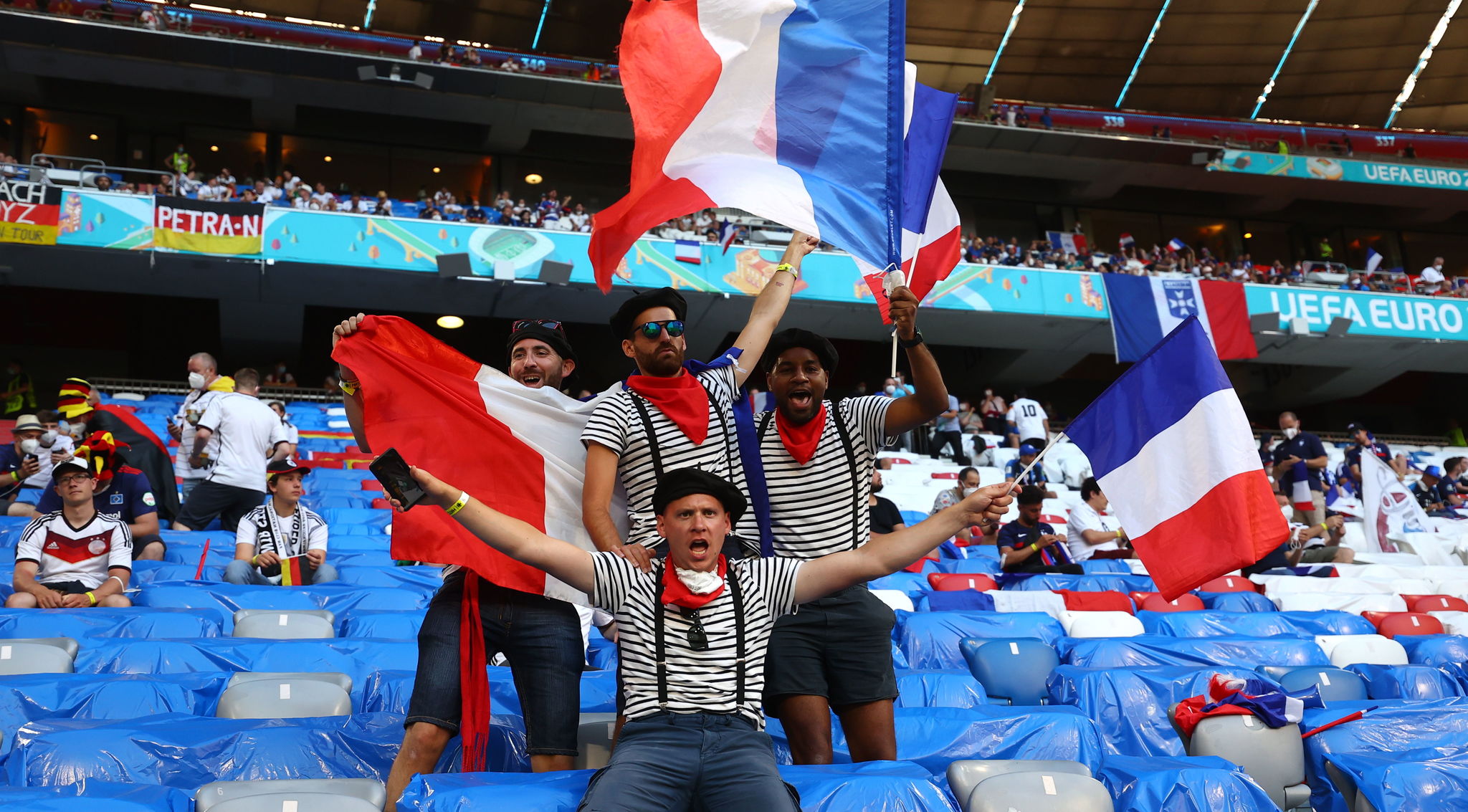
The situation has improved over the past year. As a result of a 15 per cent marketing tax effective mid-2025, the overall cost of advertising by the operator was lower than expected. However, the situation in 2026 was not encouraging. According to the data reviewed by ANJ, the operator plans to increase overall extension inputs to approximately €785 million by 2026, an increase of 25 per cent over the same period.Key trends include:▪ The marketing budget grew by 28 per cent to €319 million. Financial incentives (penalties, free investments, awards) amounted to €466 million, an increase of 23 per cent. World Cup months (June-July) will absorb more than one fifth of the annual marketing funds. Digital channels will continue to dominate, and nearly half of the expenditure will go to this area. Television and radio sponsorships have recovered, with the use by operators of incentives to infiltrate traditional media at a lower cost remains the largest expenditure item, especially the retention incentive to channel the movement of users between sports events, poker and games, which accounts for about 60 per cent of all outreach activities.
While approving the operator ‘ s overall strategy, ANJ attached several conditions to mitigate potential risks:▪ Some operators have to adjust their marketing budgets directly. Many platforms have been asked to limit social media promotion spending. Sports cooperation, which has been found to be too radical, needs to be significantly reduced by an operator.Further structural changes are being envisaged in France, including:▪ Enforcement of the “end-of-sentry advertising ban” during the competition (from the opening to the end of the game) ▪ Tightening of the sponsorship of the marking of visibility ▪ Enhanced protection measures for 18-25-year-olds, such as lower loss limits
The above measures, if implemented, will completely reshape the way in which the lottery brand interacts with French consumers during sports events. France is currently the only country in the world to impose an annual review of advertising expenditures on all licensed operators, and its model is being replicated by regulators in the Netherlands, Spain and Ireland.