
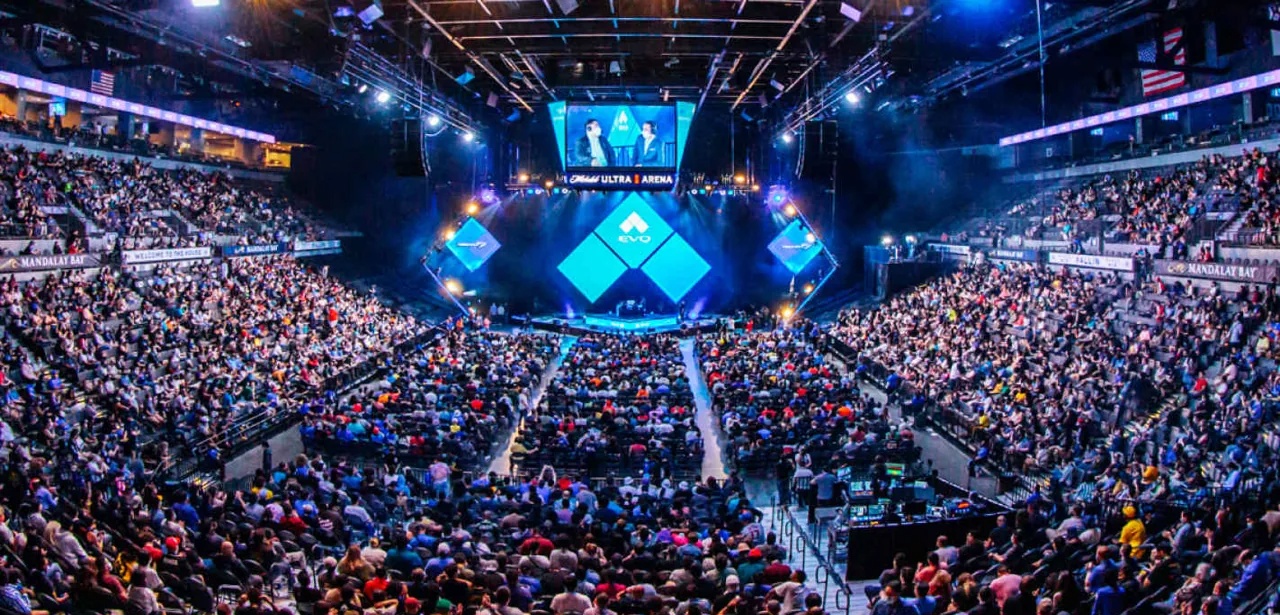
Japan ‘ s fast-growing electricity market continues to be trapped in a web woven by complex legal constraints. According to counsel for Nishimura & Asahi, one of Japan ‘ s largest law firms, the relevant legal framework for the gaming industry continues to pose operational challenges to the organization of competitions and professional players and hinder the development of the ecology of competitive games in Japan.
According to Japanese law, gambling is, in principle, totally prohibited and, to a limited extent, State-sanctioned horse racing activities and the establishment of new land casinos as part of a comprehensive resort. Japan ‘ s first comprehensive resort project, which includes licensed casinos, is expected to open in 2030, and regulators expect a second round of applications to begin. Under current legislation, online casinos are completely banned. The lawyers Takagi Soo-Bo, Matsumoto-Yuki, and Kaihara-kun-kun, from the Uttar Pradesh office, pointed out that if the registration fees for the electric competition were used directly for the prize pool, the competition could be miscalculated as gambling. In order to avoid this risk, the Japan Electronic Competing Union has established provisions requiring that the registration fee be used only for the running costs of the competition and that the bonus be provided entirely by the sponsorship fund.
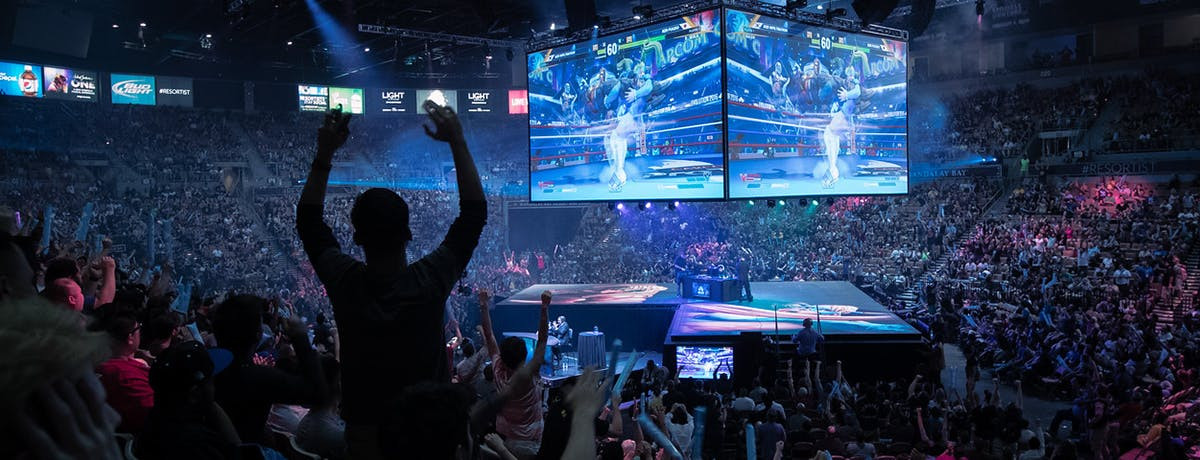
Historically, Japan ‘ s Awards Act set a maximum prize of 100,000 yen for the competition, considering the prize offered by the issuer to be promotional rather than competitive. The recent evolution of the regulatory policy has opened up room for a larger pool of prizes by beginning to see professional winners’ bonuses as “a fair reward for their performance and services”. The Japan Electronic Competing Union has actively promoted this reclassification by issuing professional licence plates to qualified athletes and limiting the main event to an invitation system, in order to ensure compliance while raising the level of events and attracting international top players. In the past, large-scale events such as EVO Japan had experienced difficulties due to the Entertainment Business Act, which required police approval for all games where registration fees were set. Since 2020, the revised guidelines have eased restrictions by allowing the competition to charge a fee for registration only at cost and prohibiting the payment of profits through participants.
The organizers of the competition must also have the express authorization of the game issuer and the intellectual property holder to broadcast or broadcast the video of the game legally. In Japan, copyright protection is extremely broad, covering software codes, visual elements, auditions and even players ‘ performances on live air. Another major obstacle for international players is the visa regime. At present, some countries do not have a category of “electronic competition visas” and participants are usually required to apply for a artist’s visa or an athlete’s visa, which also creates additional complexities for the formation of international competitions, in terms of the strict requirements of eligibility and processing cycles. In addition, Japan ‘ s Personal Information Protection Act imposes strict requirements on the organizers of the competition, involving the management of data from contestants and viewers. Actors must properly protect the information collected and provide all participants with a clear indication of the purpose of their use. Even a game nickname used by a player, if traced back to an individual ‘ s identity, would be considered as personal information and protected by law.