
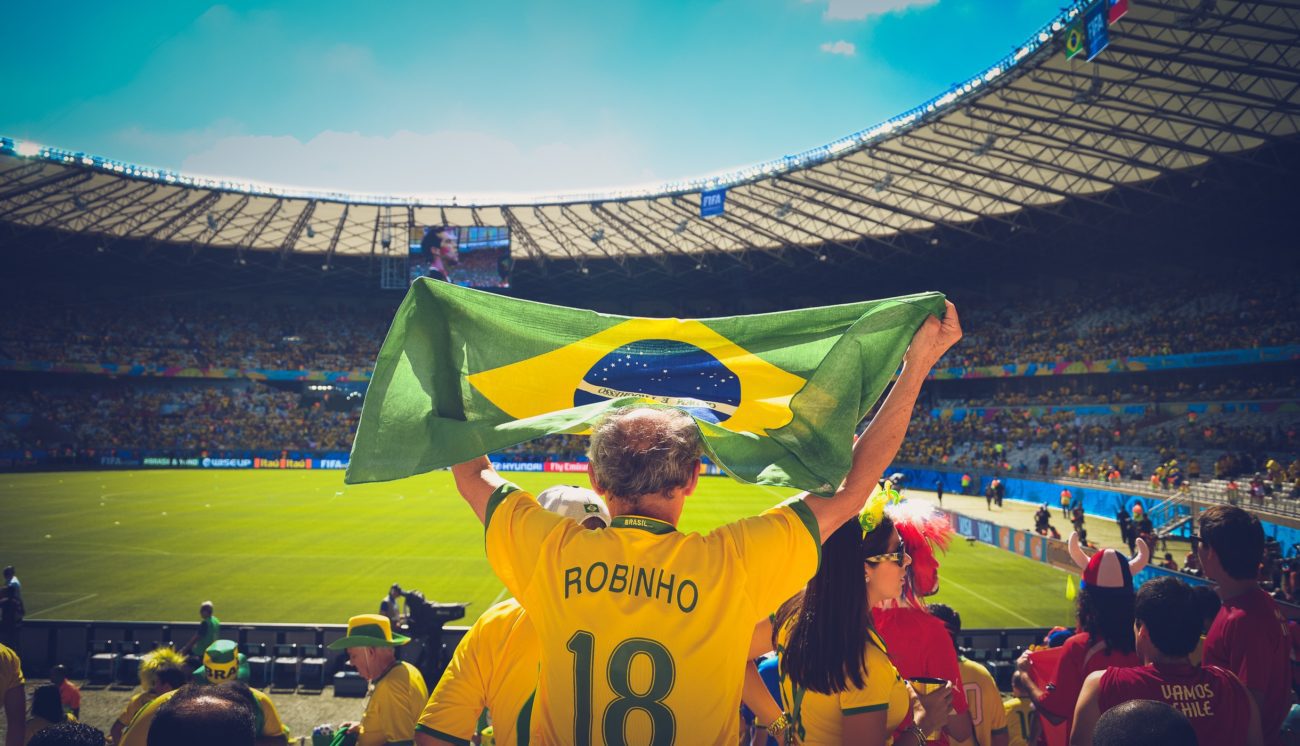
The most recent study by Grupo Globo, a Brazilian media group, and Offerwise, a research institute, presents a general picture of changes in behaviour and preferences among users of the local sports gaming platform through an in-depth survey of 1,000 Brazilians over the age of 18 (including lottery participants and non-participants). The data show that there are significant faults between head sports categories and other projects, and at the same time reveal the symbiotic pattern of traditional sports and emerging projects in the Brazilian lottery market. The study validated the central fact of Brazil ‘ s sports ecology: football has absolute dominance. Men ‘ s football was at the top of the list with an overwhelming preference rate of 76 per cent, and the remaining sports programmes did not break the 10 per cent mark. This phenomenon is a profound reflection of the cultural and emotional connection of football in Brazil, which continues to strengthen national identity through the full penetration of events, digital content and gaming platforms.
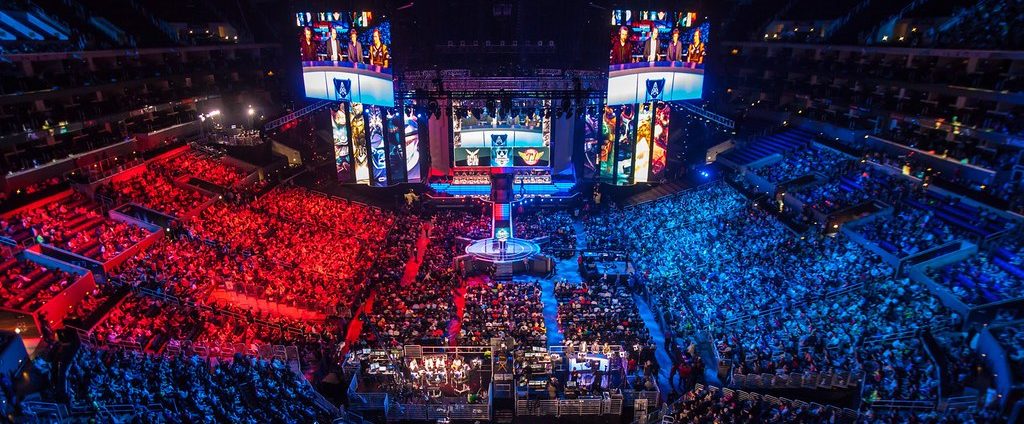
Women ‘ s football ranks second at 31 per cent, showing a breakthrough. The increased exposure of female athletes, the improvement of the league system and the expansion of media coverage have contributed to the project ‘ s transition from marginal to mainstream entertainment and lottery paths. Basketball follows (23 per cent), with heat maintained through the double penetration of local leagues and NBA in young groups; volleyball (19 per cent) is in fourth place on the basis of the outstanding performance of the Brazilian International Contest and a solid mass base. But as traditional sports continue to lead, research has captured the emergence of new and emerging categories bound to the depths of digital culture. Poker (17 per cent) displays resilience as a dual attribute of intellectual competition and online gaming; combined combat (15 per cent) relies on the local champion effect and stable audience growth. The most important sign of change is electronic competition (12%), which attracts young, sticky users who are the digital natives. This data not only marks the intergenerational movement of consumption, but even more portends the strategic shift of the gaming market towards a digital track. Data confirmers are actively moving beyond traditional sports boundaries to explore diversification investments.
At the same time, the report reveals projects with a large fan base but far from the lottery hotspots. Car racing (including F1, Laric, Nazca) ranks 13th out of 9%, and while maintaining its volume with the world ‘ s top races and loyal fans, it is far worse than in the head. This reveals a key pattern: popular projects at the mass consumption level do not necessarily translate into enthusiasm for investment. Despite its commercial value and public interest, the race movement remains vulnerable in its investment decisions. While the Brazilian lottery market is currently structured in a clear pyramid: football is at the top with absolute superiority, the ice-breaking process of market diversification is beginning with the movement of digital ecology and new projects with both entertainment and competitive attributes (e.g., electric competition, poker). This data slice vividly illustrates the dynamic balance between Brazilian consumers in terms of tradition and innovation, emotional inertia and digital exploration. As the normative gaming ecology continues to evolve, this trend will profoundly reshape operator strategies, marketing logic and the business layout of sports institutions as the core variables driving industry change.